Table of Content
Although there is more compatibility between all three platforms than ever before, there are still ecosystems to keep in mind. If you are a die-hard Apple fan, then HomeKit may be the best option. You can control your home via Siri, and HomeKit is already part of iOS. While it works with most major brands, there are a huge number of products that cannot be controlled through HomeKit. Most HomeKit-compatible devices are designed specifically for the platform. When it comes to third-party support, Alexa has the widest reach.
Here, you’ll also find ways to get more out of your devices and improve your home setup. The Nest Audio is more akin to a portable Bluetooth-style speaker. Google has taken a different tack with what it has dubbed actions. Google also offers the best integration with IFTTT, letting you create custom actions without any real knowledge of programming. As for international availability, both Google Assistant and Alexa are available only in some regions around the world.
Both Can Recognize Individual Voices
It doesn’t understand complicated requests as well as Google Assistant does, and follow-up questions are more difficult to ask without saying “Alexa” before every request. You cannot customize the trigger word outside of a few preset options. Similar to the smarthome support that each device has, the support for general services is a little lacking on the Google Home, but there’s a lot you can do on the Echo. Google Assistant control used to be quite basic but that has recently been updated. Now, you can set up a Sonos speaker as the default sound device for any Google Home speaker. You can still control devices in other rooms using the full name of the device (“Alexa, turn on dining room light”), but for general use, this update greatly simplifies smart home control.
However, finding specific products or getting the results you want may be more challenging, especially without an accompanying smart display. You can also reorder an item, but Google can’t give the same recommendations as Alexa can. Alexa’s version is a bit more complex, but once you get the hang of it you can easily set up detailed routines based on exactly what you want to do. Alexa also still beats Google Assistant when it comes to compatibility, so there’s a greater chance of your smart devices actually working with the Dot. The fourth-generation Echo Dot has a 1.6-inch speaker, and you can connect the Echo Dot to a larger speaker if you want. With advanced Bluetooth audio support, voice control, and a 3.5mm audio jack, the Echo Dot is a low-cost Alexa controller.
Ring Video Doorbell
Giving verbal commands to my Google home results in lots of glitches lately. Grouping lights in one room together so that they all go on or off at the same time is a nightmare that shouldn't happen, and required a lot of workarounds to make it stop. Too easy to accidentally turn a light off when trying to dim or charge colors. Both voice assistants are neck and neck, though we give Google Assistant a slight edge thanks to its better natural language recognition.

It has a clear screen, a built-in camera and we were impressed that its facial recognition means it can personalise the reminders and messages you see when you look at the screen. Google’s answer to the Echo Dot, this is a small and discreet speaker that’s affordable and capable of handling all your requests. We’d recommend this for a hallway side table or tabletop as it’s not going to deliver booming sound for music but is still ideal for your voice requests.
Supported Languages
Enable your customers make candied online connections with our ondemand dating app solutions. That's a tough question because they're both similar and we find it difficult to pick between the two. Which one you decide to go with may well depend on which you personally prefer and what kind of products you're using than which is technically 'better'.
His work has been published by iFixit, Lifehacker, Digital Trends, Slashgear, and GottaBeMobile. Overall, it really depends what kind of controls you like using—touchpad aficionados will like the Google Home better, while tactile-button lovers will like the Echo. However, Alexa was able to do a better job in some areas, like when I asked both devices, “How many movies has Tom Hanks been in? ” Alexa was able to come up with the answer , while Google Home simply just named off a few movies that Hanks directed.
Amazon Echo (4th Gen) Review
Again, the build quality is excellent, and the Nest Mini’s pincushion form gives the device its own identity. Google’s recent design upgrade made the nest Mini more eco-friendly too. But, what sets it apart is the notch on its underside, which allows you to hang it on a wall. In contrast, the Google Nest Mini has three far-field microphones for voice detection, as well as a 1.57-inch speaker driver.
The power of Artificial Intelligence and Voice technology is the future of virtual assistants. Voice-controlled technology enables you to interact with different consumer electronics with voice commands. Over 110 million virtual assistant users are there in the United States alone.
【One Key Control】Control the smart device on the screen with one touch, no need to waste time opening the mobile app to trigger the device. 【Voice Control】Suitable for Alexa and Google Home voice control, for SIRI voice control. Using Alexa Voice to control the wall switch, the panel light will show an on/off status as the sound changes. Google Assistant, meanwhile, uses the Google Shopping platform, so it has a wider reach.
After a voice-powered assistant that can reply in a humanlike manner and deal with the most requests? It is powered by the search engine's web of information and is cleverer overall. With these, you can use your voice to get internet-connected smart plugs and appliances to work together via an app on your phone or tablet, and you can control them with spoken instructions. Whether you’re asking Alexa to arm your security camera or telling Google to turn on your reading light, there’s a lot you can do with a smart assistant.
Both Google Home and Alexa win the price wars, but the three smart speakers are in a very close race in terms of hardware quality. Of the three contenders, Alexa posts good results in some of the most important metrics. Alexa wins in countertop dominance and compatibility with other smart home devices. It is the poorest of the trio with support for around 450 smart devices in contrast to Alexa's and Google Home's thousands.
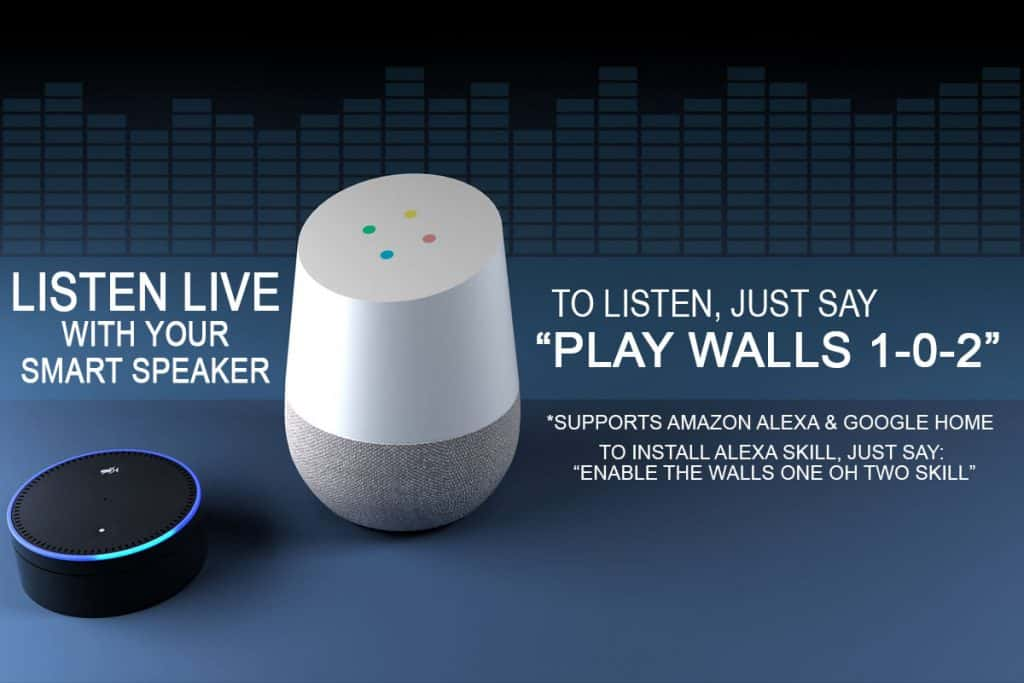
The first thing you’ll notice when you open the Google Home is its somewhat interesting design. The device has fabric at the bottom that comes in gray and a white area at the top. That white area has a sloped top that also comes with LED lights to let you know the device is on, listening to what you say, and more. Alexa and Google Home each support up to six user accounts, though Google handles its accounts much better than Alexa. For Google, you can add anyone to your home for free as long as they have a Google account. This includes supervised accounts that you create for children using Google Family Link.
Thankfully, you can now just ask Google to turn on the lights, for example, and it understands which ones you’re talking about. Here’s our list of some of the best Google Home compatible devices. Google’s Nest Audio is the flagship smart speaker in the series and showcases the Nest design well. The fabric covering, rounded corners, and LED dot indicators are all classic features of these speakers. It stands around 6.9 inches high and comes in a variety of colors, including charcoal, sage, sand, and sky. Google Assistant is built in, so commands for a Google-led smart home are a breeze.
Hunches can also change Alexa Guard to Away mode for added security when you leave for an evening run. Every device that you assign to a room will react as part of that room. For example, if you have a smart plug and smart lights in the family room and tell the virtual assistant to turn off the family room, everything will turn off. Third-party apps in Alexa provide all the functionalities that end-users need and it compensates for the gaps in the original app provided by Alexa. More than one lakh of such apps are there in the Alexa store and there is every chance any weird requirement of users will be met.


No comments:
Post a Comment