Table of Content
Hunches can also change Alexa Guard to Away mode for added security when you leave for an evening run. Every device that you assign to a room will react as part of that room. For example, if you have a smart plug and smart lights in the family room and tell the virtual assistant to turn off the family room, everything will turn off. Third-party apps in Alexa provide all the functionalities that end-users need and it compensates for the gaps in the original app provided by Alexa. More than one lakh of such apps are there in the Alexa store and there is every chance any weird requirement of users will be met.
Google Provides better-sophisticated features in managing the voices of multiple people in a household. Its product, Voice Match offers more personalized elements like maintaining profiles for individuals for a better interaction experience with the devices for the users. The profile contains details like calendars, photos, payment details, flight preferences, default media services, and many more. We will say that Google’s Nest smart speakers have versatile designs and are a useful pick if you already use Google Assistant or the Google Home app.
The Echo Has Better Messaging/Calling Support
Alexa, on the other hand, relies on the installation of skills – individual, app-like sets of related voice commands focussing on certain topics or abilities. Handled and activated through the Alexa app on smartphones, these can range from getting information on local transport times, or to activating voice-controlled games. Both devices allow you to give voice commands that will let you turn the thermostat up or down, turn on the lights, lock a door, and much more. Best of all, they both work with some of today’s most popular products, including Nest thermostats, Philips Hue lights, and more.

Both assistants offer some form of multiroom audio functionality, including creating groups of speakers via your smartphone. Alexa and Google Assistant also support audio playback from some music services to Sonos speakers, while Google Assistant can communicate with any Chromecast-connected speaker. And both Google Assistant and Alexa also come built in to a number of the best smart speakers. When trying to compare these two leading smart speakers, you might wonder whether you can use the gadgets to control your smart thermostat or intelligent light bulbs. Google Assistant leads the pack behind Alexa in terms of popularity.
Google Home vs Amazon Echo – Conclusion
His work has been published by iFixit, Lifehacker, Digital Trends, Slashgear, and GottaBeMobile. Overall, it really depends what kind of controls you like using—touchpad aficionados will like the Google Home better, while tactile-button lovers will like the Echo. However, Alexa was able to do a better job in some areas, like when I asked both devices, “How many movies has Tom Hanks been in? ” Alexa was able to come up with the answer , while Google Home simply just named off a few movies that Hanks directed.

Google Assistant and Alexa both offer routine setup, so that’s no problem. Google’s version is a bit more cookie-cutter, helpful prompts make it easy for beginners. Yet, Google Assistant also offers more complex custom Routine options. The Echo Dot and the Dot with Clock both retain the iconic color-changing LED status ring around their base.
Smart Life - Smart Living
Over and above Alexa allows the development of new apps by the internal developer and it provides the necessary templates and integrations. Once you have the best touch screen switches for home at home, be sure to follow the instructions carefully. This will help you get the most out of it and avoid any problems. After you’ve made a purchase, take the time to read online reviews. This can help you avoid buyer’s remorse and make sure you’re happy with your decision.

You’d be best off picking the one you prefer and keeping everything connected to a single platform. Once you’ve peppered a few smart speakers around the house so you can talk to them wherever you are, you’ll feel like you’re living in a sci-fi movie. Google's smart displays are pleasant to use, particularly with how many video streaming services they support. It's not a perfect feature but is more capable than what we experienced with Alexa. Users are able to perform multi various actions by connecting devices through the Alexa platform. The action includes automated switching on/off of smart light upon some triggers or events and activates home devices when the user is about to reach home etc.
PCMag supports Group Black and its mission to increase greater diversity in media voices and media ownerships. Whether you have light or dark decor, either speaker line will have something complementary. The Echo and Echo Dot are both available in black, blue, or white versions; the Nest Audio comes in black, blue, green, salmon, or white, while the Nest Mini has black, blue, salmon, and white models.

Giving verbal commands to my Google home results in lots of glitches lately. Grouping lights in one room together so that they all go on or off at the same time is a nightmare that shouldn't happen, and required a lot of workarounds to make it stop. Too easy to accidentally turn a light off when trying to dim or charge colors. Both voice assistants are neck and neck, though we give Google Assistant a slight edge thanks to its better natural language recognition.
However, a big downside with the Fire TV is that YouTube isn’t supported, which is one of the biggest streaming video services on the internet. In any case, you can view Google Home’s full support list of smarthome devices, as well as the Echo’s list. As both systems are powered in the cloud, it also means that the situation is rapidly changing, with new features coming online all of the time. We keep this article updated to help you make the right choice if you’re starting from scratch , although our opinions on which system is best can and will change over time.
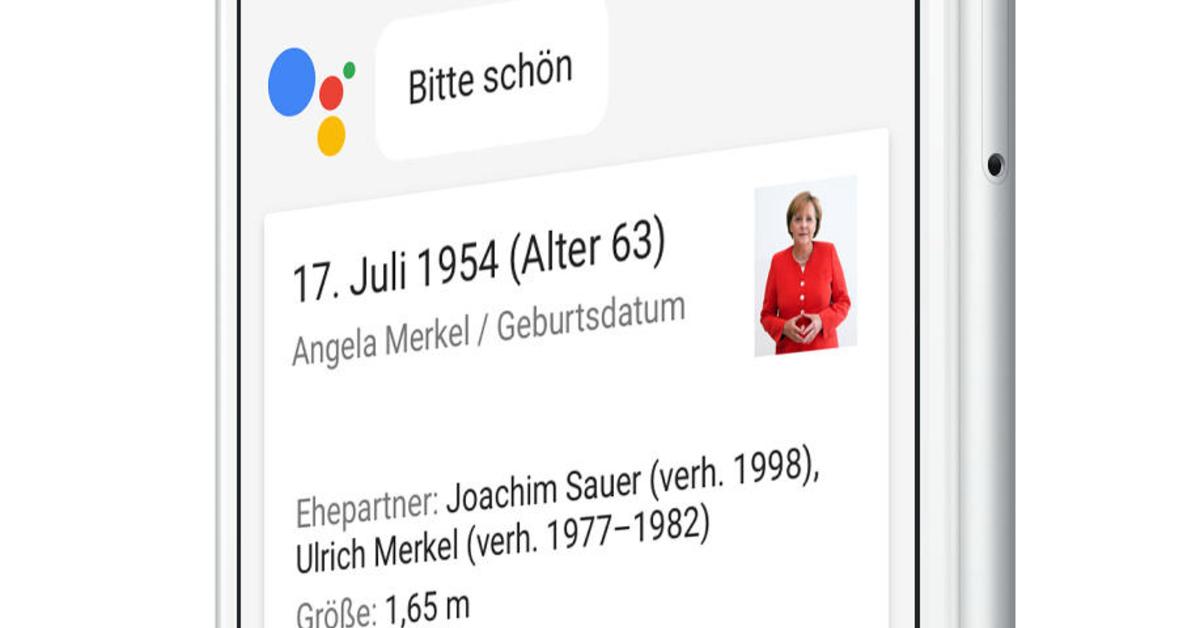
Google Assistant in particular is an accurate and handy voice assistant for scheduling your life. Sometimes it comes down to which brand you prefer — and neither of these is a bad choice. Between all the different offerings (whether it’s a smart speaker or a smart display), you’re decidedly tethering yourself to one specific ecosystem. After all, it’s likely you won’t stop with one smart device, and it’s a hassle to change horses mid-stream as you continue to build out the rest of the offerings. This is a capable 7-inch smart display that is ideal for controlling your home from your bedside. It doesn’t have a camera so it’s not for video calls, but it works with a lot of streaming services for watching shows or, more realistically, checking a recipe video on YouTube.
Both Google Home and Alexa win the price wars, but the three smart speakers are in a very close race in terms of hardware quality. Of the three contenders, Alexa posts good results in some of the most important metrics. Alexa wins in countertop dominance and compatibility with other smart home devices. It is the poorest of the trio with support for around 450 smart devices in contrast to Alexa's and Google Home's thousands.
While looking through Alexa's video skills, we didn't find native support for as many popular streaming services if you're using an Echo Show. It seems the best way to watch other services using Alexa is to get a Fire TV streaming device for your TV, which offers more streaming integrations than Google. It's because voice assistants have to choose one reply within a few seconds. That quick turnaround doesn't allow time to browse every single website on a topic, even with the processing powerhouse involved.
Amazon Echo vs Google Home: audio
Despite these strengths, the one you choose ultimately boils down to personal preference. In case you need to return or exchange the product, be sure to keep your receipt or proof of purchase handy. This is especially important for big-ticket items like electronics or appliances. Knowing what those strengths and weaknesses are can help you determine which platform is the right pick for you. Craig Lloyd is a smarthome expert with nearly ten years of professional writing experience.


No comments:
Post a Comment